
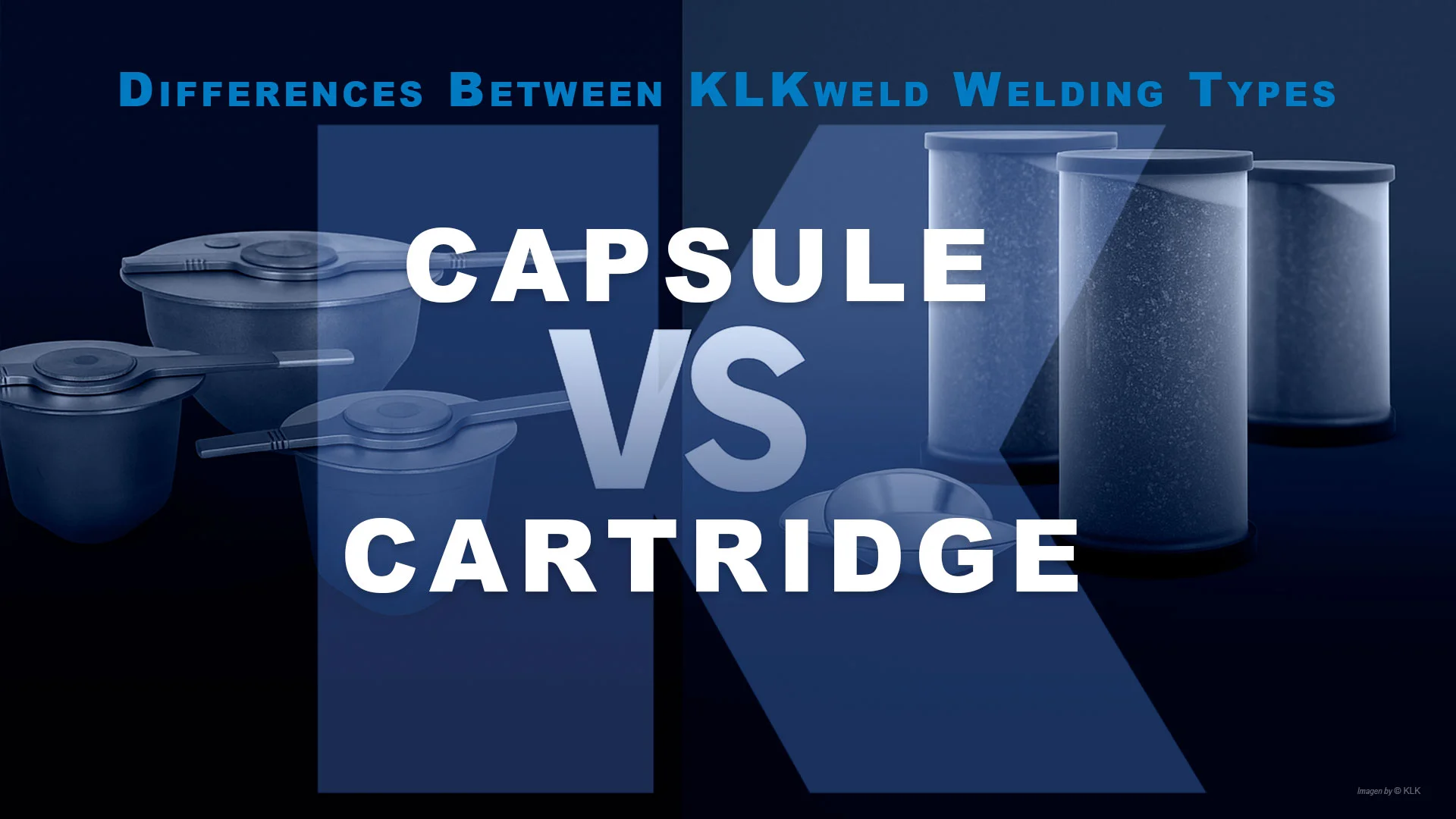
Technical Differences Between Traditional Exothermic Welding and the KLK Weld Kcup System
Exothermic welding technology is one of the most reliable methods for creating permanent connections in grounding networks and railway applications.
At KLK Weld, we develop two complementary solutions designed to meet different technical needs: traditional powder-based welding and the Kcup® capsule system.
Both techniques use an aluminothermic reaction reaching approximately 1,400 °C, generating high-conductivity permanent bonds.
How Does Each Exothermic Welding System Work?
The traditional KLK Weld method requires manually mixing the exothermic powder according to the instructions, which introduces variability depending on the installer’s experience.
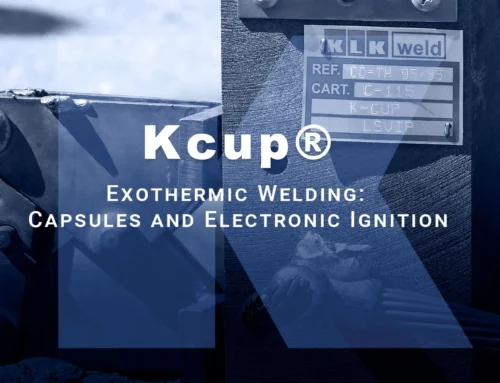
In contrast, the Kcup® system uses a metal capsule containing the pre-measured mixture, eliminating powder handling and providing a safer and more consistent process.
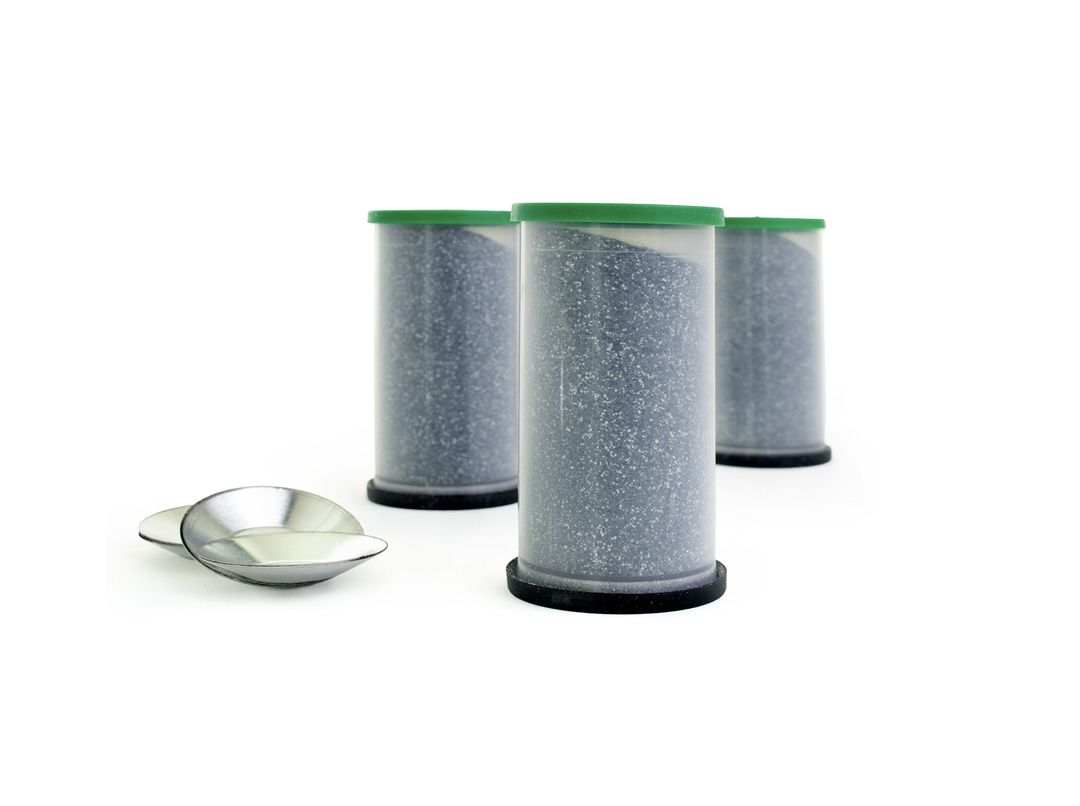
Traditional Exothermic Welding (Powder Mix)
Cartridge-Based ConnectionsExothermic Welding by Powder Mix
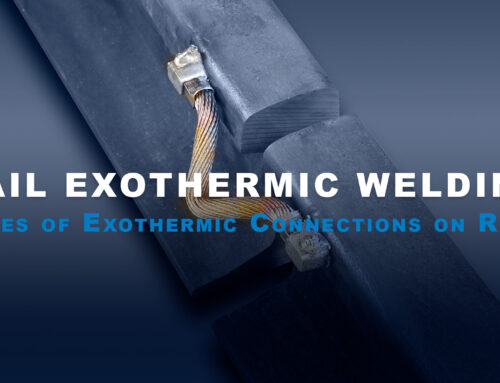
Permanent connection made by manually preparing the exothermic powder mixture. It offers maximum versatility, a wide range of configurations, and a process that adapts well to electrical and railway environments. Ideal for occasional work, special joint types, and crews experienced in manual powder preparation.
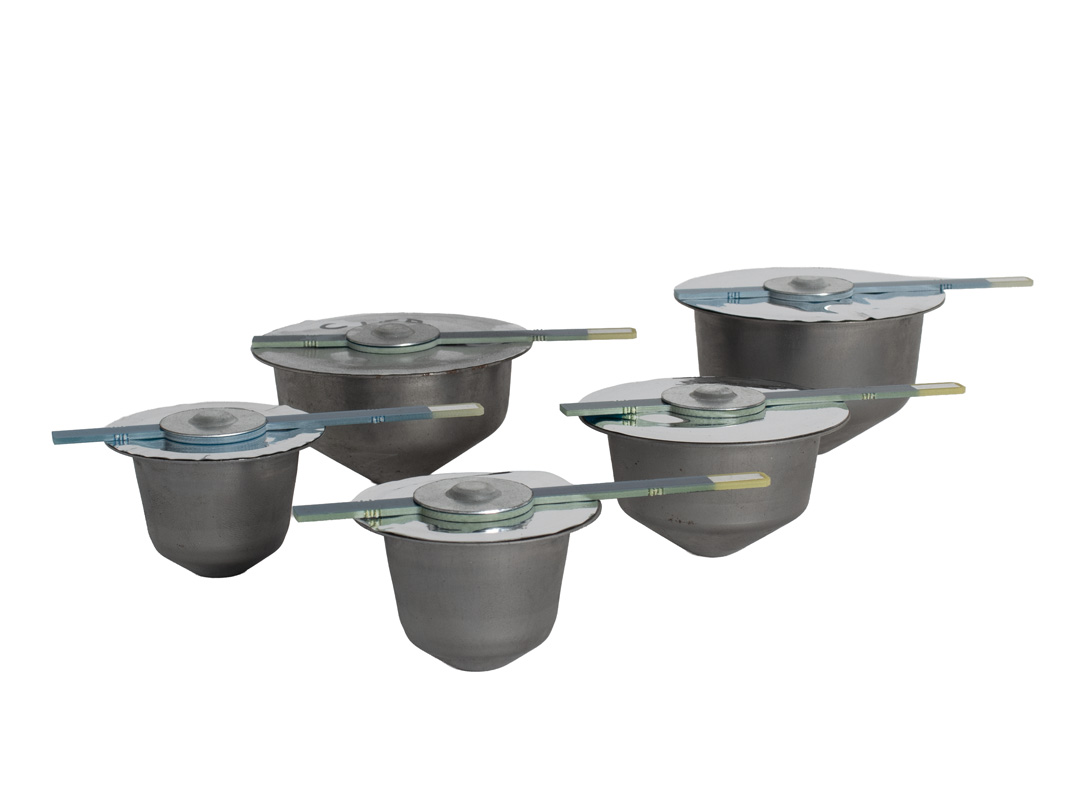
Capsule-Based Exothermic Welding (Kcup®)
Capsule-Based ConnectionsExothermic Welding by Capsule
Advanced technology that eliminates manual powder mixing by using a capsule with a precisely dosed charge. It delivers a safer, faster, and more repeatable process, compatible with remote ignition and ideal for grounding systems and repetitive tasks in fieldwork or industrial maintenance.
Technical Comparison Between Traditional Exothermic Welding and the Kcup Capsule System
| Technical Element | Traditional KLK Weld Exothermic Welding | Kcup® System |
| Material Preparation | Requires manual mixing of the exothermic powder. | Capsule with pre-measured mixture, ready to activate. |
| Operational Safety | Direct handling of powder; manual ignition. | Closed capsule. Claim: “the safest, fastest, and most advanced exothermic welding system on the market.” Compatible with manual or remote ignition. |
| Process Speed | More steps required before the molten metal is poured. | Reduced preparation time by eliminating the mixing phase. |
| Control and Repeatability | Higher influence of human factors. | Standardized process with consistent parameters. |
| Mold Compatibility | Traditional graphite molds. | Molds suitable for both capsule and traditional powder. |
| Recommended Application | Grounding systems, railway sector, and occasional work. | Optimized for grounding systems and repetitive field tasks. |
| Ignition System | Manual ignition using a flint igniter. | Manual or remote ignition with KLKweld devices. |
When Should You Choose Each Exothermic Welding Method?
Traditional Method or KLK Weld Cartridge
- Maximum flexibility for special or non-repetitive connections.
- Widely used in railway environments.
- Suitable for installers experienced in manual powder mixing.
KLK Weld Cartridge Welding Video | Productivity with KLK
Kcup® Capsule Method
- Greater safety by eliminating powder handling.
- Reduced human error and faster execution.
- High repeatability for large-volume projects and electrical maintenance work.
- Especially effective for grounding systems.
KLK Kcup Capsule Video | Productivity with KLK
Frequently Asked Questions About Exothermic Welding, KLK Weld, and the Kcup System
Technical Conclusion
More technical information about KLK Weld and Kcup® in our technical documents:
KLK Electro materiales slu
Mail | Web | Teléfono | Chatbot | Social Media
Need help?